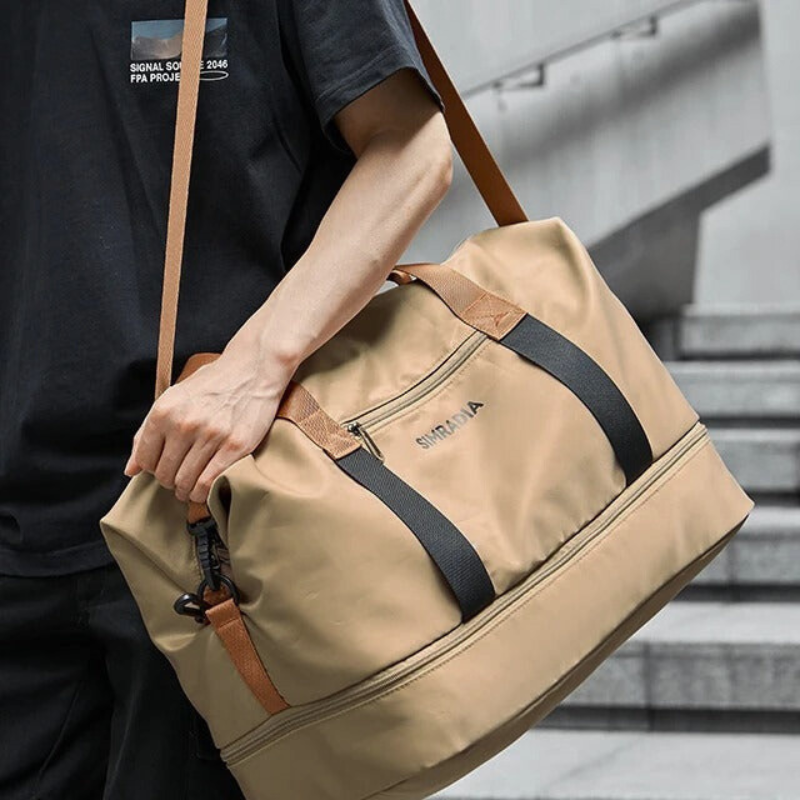



The Field & Ash Carry Standard

TLDR: A carry standard is a filter for everyday bag decisions: real load, organization over volume, access without dumping the main cavity, comfort over novelty, and honest materials language. Use it on any brand. Field & Ash designs for that filter, not for feature theater.
Most bag advice starts with a pocket list. This one starts with the day.
You already know the morning version of the problem. Laptop, charger, water, keys, wallet, a layer you might need, something small you always forget until the door closes. The bag that looked perfect online either swallows everything into one dark cavity or multiplies compartments until finding a transit card takes longer than the walk to the station.
A good everyday bag is not the one with the most features. It is the one that stops arguing with the way you actually move. That is what a carry standard is for: a short set of rules you can apply before you buy, and again after the bag has been on your shoulder for a week.
The Field & Ash Carry Standard
Five lines. No slogans required.
- Real load first. List what you carry on a normal day, not a fantasy day. If the bag cannot hold that load without strain or constant reshuffling, it fails, no matter how it photographs.
- Organization over volume. Space without structure becomes a dumping ground. Structure without space becomes a puzzle. Prefer a few honest compartments over a cavern and a checklist of micro-pockets you will never use.
- Access without dumping the main cavity. The things you reach for often should not force you to open the whole bag and empty it onto a counter. Front access, side access, or a clear exterior path beats “everything lives at the bottom.”
- Comfort over novelty. Strap width, weight empty, and how the bag sits against your body matter more than a clever silhouette you will abandon after three hard days.
- Honest materials language. Prefer plain words for weather and durability. If a product is water-resistant, say water-resistant. Do not sell waterproof theater for a city sprinkle, and do not pretend a light shell is a dry-bag.
That is the standard. It is deliberately short so you can remember it while shopping.
What we refuse
Bulk as status. A bag that looks important because it is oversized usually costs you shoulder comfort and subway space. Capacity should match the job.
Feature checklists as personality. Twelve pockets are not a philosophy. If you cannot explain what each zone is for in one sentence, the bag is designing noise, not a system.
Tactical theater for ordinary office days. Molle panels, aggressive hardware, and “mission” language rarely help a laptop commute. They often add weight and draw attention the bag does not need.
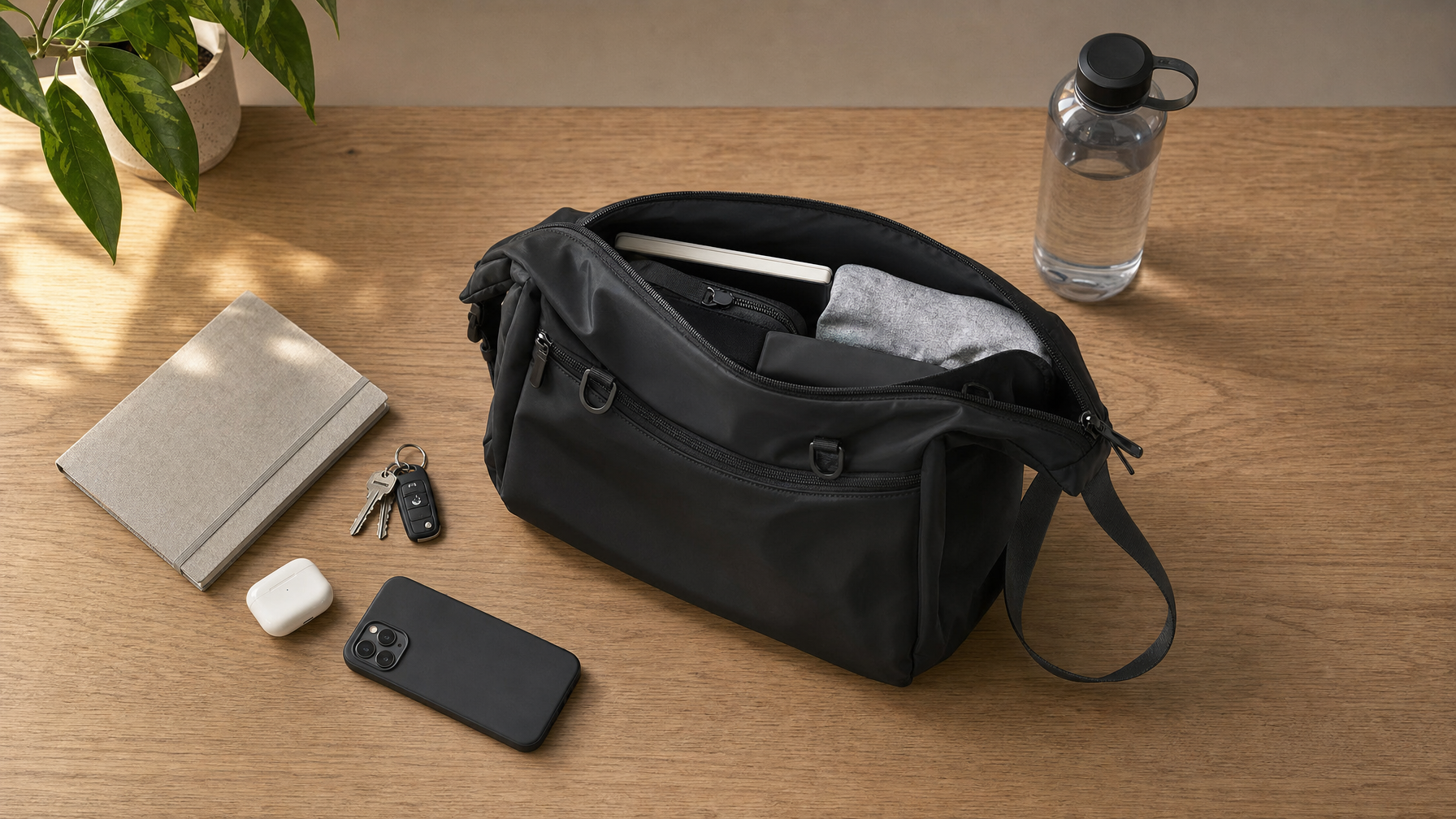
One-handed magic claims. Access should be practical in motion. For example, on the Haven Messenger, the front pocket fits your phone, wallet, and card together, and you can access the front pocket while Haven stays at your side. That is enough. We do not need myths about effortless one-handed everything.
Padded-sleeve fiction where it does not exist. Haven carries a laptop up to 14 inches in the open main compartment. There is no dedicated padded laptop sleeve. Saying otherwise fails the standard on honesty.
How to use the standard when you shop (any brand)
Walk a store floor or a product page with the five lines in order.
1. Write the real load. Phone, wallet, keys, laptop or tablet, charger, water, layer, one small daily extra. Weigh the pile if you can. Compare that to empty-bag weight and claimed capacity. If you want a deeper method for load, read How Heavy Should Your Everyday Bag Be?
2. Open the bag once and time a retrieval. Can you reach the high-frequency items without emptying the main cavity? If every grab becomes a dump, the organization fails line 3.
3. Wear it for ten minutes. Stairs, a door, a short walk. Novelty fades fast when the strap digs or the bag swings into your hip at every turn.
4. Read materials claims cold. Waterproof and water-resistant are not synonyms. For the commute version of that distinction, see Waterproof vs Water-Resistant Bags. Prefer brands that speak plainly.
5. Check whether the bag matches one job or three fantasies. A day bag that also pretends to be a weekend hauler and a gym duffel usually does none of those jobs cleanly. If you want less total stuff rather than a smarter container, start with The Case for Carrying Less.
Where Field & Ash sits
Field & Ash builds everyday carry for people who move between work, life, and travel without their gear getting in the way. Function without the performance. Carry deliberately.
That line is not a campaign flourish. It is the same filter above, applied to a catalog.
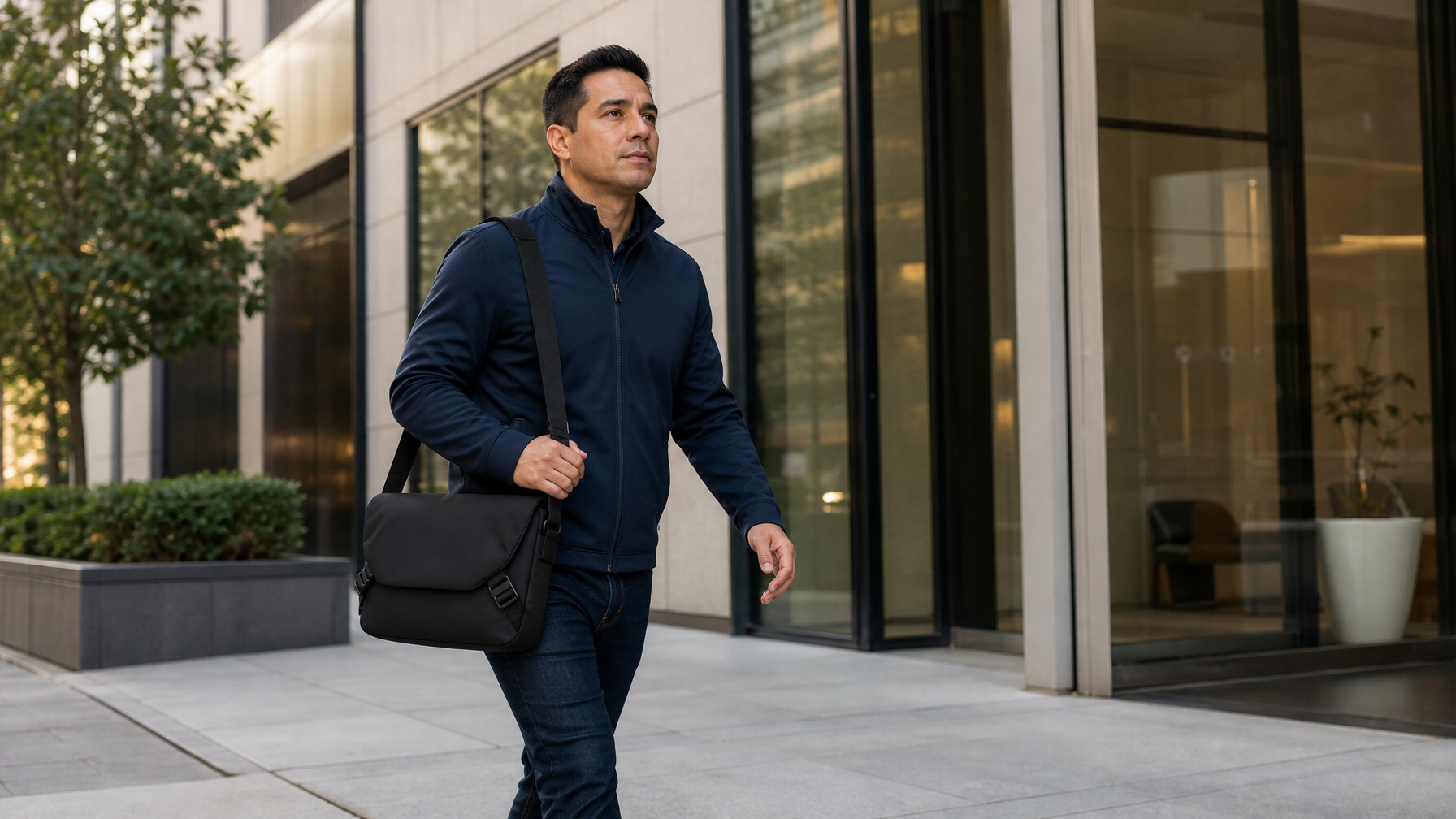
When the day is a structured laptop commute and you want a clean office-forward silhouette, the Metro Laptop Brief is the more polished option: slim profile, flap structure, built for work days that stay mostly upright and indoors.
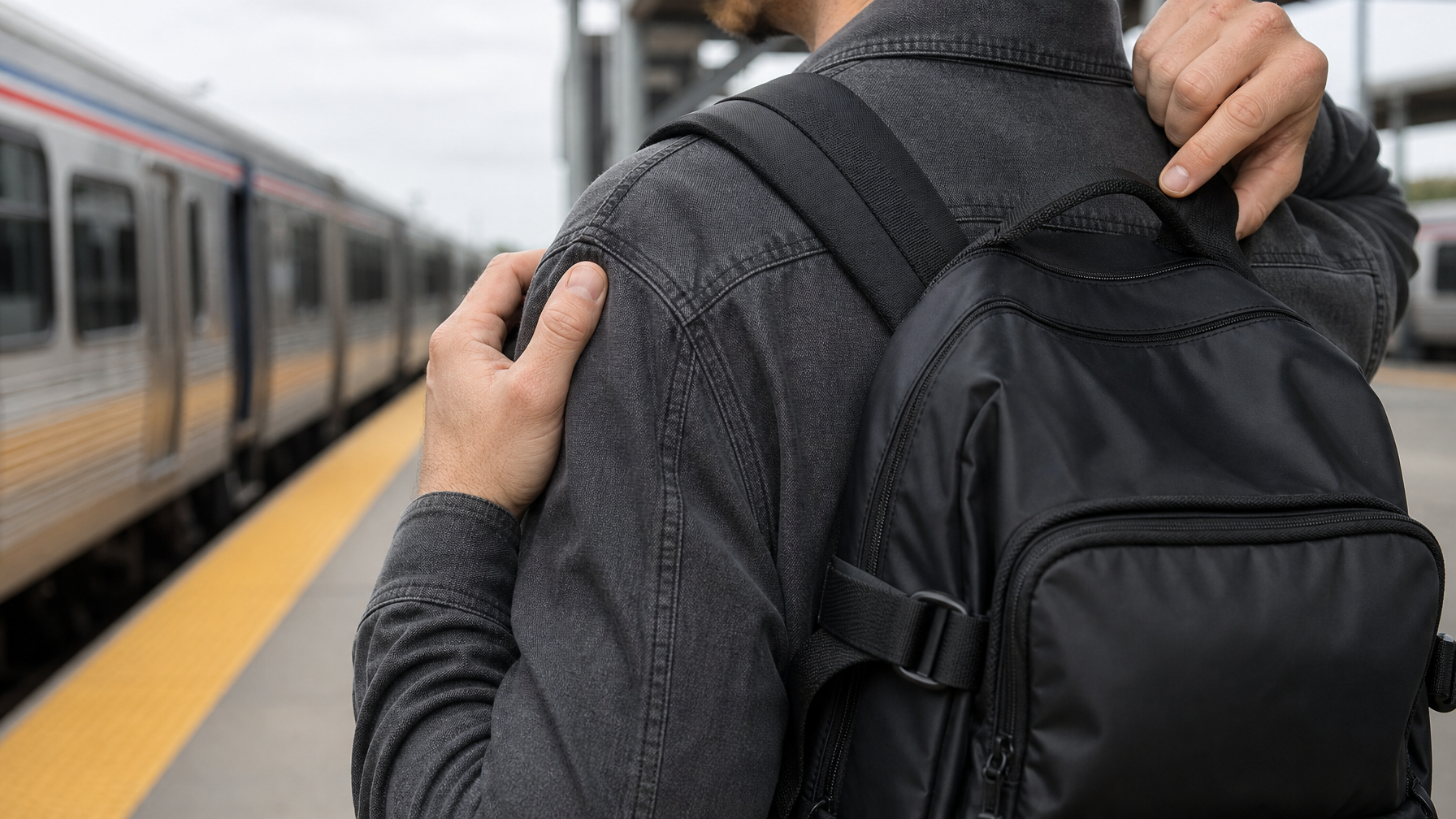
When the load is heavier, the laptop is larger, or you need a true backpack carry for longer walks and transit stairs, the Apex Backpack is the better match. It is designed for serious daily load, not for looking minimal in a flat lay while failing on the walk home.
When the day is a mixed messenger commute and you want the everyday default many readers already know, Haven remains the primary messenger recommendation: organized without becoming a toolkit cosplay, water-resistant fabric language rather than waterproof theater, and pocket behavior described the way the bag actually works.
For a deeper teardown of bag quality signals that survive real use, see The Anatomy of a Good Carry Bag.
A standard is a filter
You do not need a new bag every season. You need a way to reject the ones that will waste another month of your shoulder and your patience.
Apply the five lines before checkout. Apply them again after seven ordinary days. If the bag still fits the real load, still lets you reach what you need without a full unpack, still sits comfortably, and still matches the materials language you were sold, keep it. If not, the standard did its job: it named the failure early.
Carry deliberately is not a mood. It is a decision you can repeat.